Renting in STL
Renting from a private landlord in St. Louis
How to find the small owners who rent out St. Louis’s two-family flats, brick bungalows and walk-ups — how to make sure you’re dealing with the real owner, and what Missouri law says about your deposit, your lease and repairs.
The short answer
- Where to look: window and yard signs in the neighborhoods you like, neighborhood groups, Zillow’s by-owner listings, and local sites.
- Before paying anything: see the home in person, check the owner in City or County property records, and get a written lease.
- Know the basics: in Missouri a deposit can’t exceed two months’ rent and must be returned or itemized within 30 days.
Why rent from a small owner — and what to watch for
The upside
- More space for the money is common in older buildings. The average St. Louis one-bedroom in large complexes is about 713 sq ft (RentCafe, 2026); many flats and bungalows are bigger.
- You talk to the person who decides — and often the person who fixes things.
- There can be more flexibility on move-in dates, pets or a co-signer, because one person makes the call.
- Fewer add-on fees than many large complexes, where mandatory monthly fees have drawn federal action (FTC, 2025).
Watch for
- Fewer listings online — you’ll have to search harder, and good places go fast.
- Quality varies from owner to owner. Ask current tenants or neighbors if you can.
- Maintenance depends on one person. Ask how repairs and emergencies are handled.
- Paperwork can be informal. Insist on a written lease that lists every fee.
Where to find private landlords in St. Louis
- Walk the blocks you like — especially in Shaw, Tower Grove South, Benton Park, Soulard, Dogtown, Lafayette Square and University City. Signs often go up a few weeks before a unit opens, so start early.
- Ask in neighborhood groups. Tenants who are moving out often mention it before the owner advertises.
- Filter the big sites for owners: Zillow, Trulia and HotPads show listings posted by owners; Craigslist St. Louis has many, along with most of the scams.
- Use local sites: STLhousingsearch.com (free, includes affordable and accessible units) and lease314.com. See our comparison of St. Louis apartment sites.
Make sure it’s the real owner
Rental scammers copy real listings and swap in their own contact details. Before you pay anything:
- Look up who owns the address: City of St. Louis Assessor or St. Louis County real-estate search.
- If the owner is a company (an “LLC”), check it in the Missouri Secretary of State’s business records — the person you’re talking to should be connected to it, or have written authority from it.
- Meet in person and see inside the actual unit. Be wary of anyone who can’t show it or only offers a lockbox code.
- Never pay by wire, gift card, cryptocurrency or a payment app before you have a signed lease. The FTC’s rental-scam guide has more red flags.
Your rights under Missouri law
Security deposit
No more than two months’ rent. It must be held in an insured bank, and within 30 days of move-out the landlord must return it or give you an itemized list of deductions. RSMo 535.300
No written lease?
It counts as month-to-month, and either side must give one month’s written notice to end it. RSMo 441.060
Occupancy
Two people per bedroom is presumed reasonable statewide; local codes can differ. In the City, the occupancy certificate lists the maximum. RSMo 441.060
Repairs
If a housing-code problem affects habitability and isn’t fixed within 14 days of written notice, a tenant who has lived there six months and is fully paid up may fix it and deduct the cost — up to $300 or half a month’s rent, whichever is greater, but never more than one month’s rent. RSMo 441.234
City of St. Louis inspections
A home must pass an occupancy inspection before a new tenant moves in, and the tenant can’t be charged for it. City occupancy permits
Fair housing
Every landlord — large or small — must follow the Fair Housing Act and the Missouri Human Rights Act. Questions or a problem? Legal Services of Eastern Missouri helps tenants who qualify.
This is general information, not legal advice. Laws change; the linked statutes are the official text.
Questions to ask before you sign
- Who handles repairs, and how do I reach you in an emergency?
- Which utilities are included?
- What are all the fees — one-time and monthly?
- How much is the deposit, and how is it returned?
- How long is the lease, and how does renewal work?
- What’s the pet policy?
- Where do I park?
- Has the home passed its occupancy inspection?
Questions renters ask
How do you find a private landlord in St. Louis?
Walk or drive the blocks you like and call the numbers on window and yard signs — many small St. Louis owners advertise no other way. Also ask in neighborhood Facebook and Nextdoor groups, filter Zillow for listings by owner, check Craigslist carefully, and look at local sites such as STLhousingsearch.com and lease314.com. Our comparison of apartment websites for St. Louis covers each one.
Is it easier to rent from a private landlord?
Often, but not always. A small owner makes the decision personally, so there can be more room to talk about move-in dates, pets or a co-signer, and fewer add-on fees than at large complexes. The trade-offs: fewer listings online, quality that varies owner to owner, and maintenance that depends on one person. Every landlord still has to follow the same fair-housing and deposit laws.
What are the tenant laws in St. Louis, Missouri?
Key Missouri rules: a security deposit can’t be more than two months’ rent and must be returned or itemized within 30 days (RSMo 535.300); a rental without a written lease is month-to-month, and either side must give one month’s written notice to end it (RSMo 441.060). In the City of St. Louis a home must pass an occupancy inspection before a new tenant moves in. Legal Services of Eastern Missouri’s Housing Law Program helps tenants who qualify.
How many people can live in a 2-bedroom in Missouri?
Missouri law presumes two people per bedroom is a reasonable occupancy limit — so four in a two-bedroom — and children born during the lease don’t count against it (RSMo 441.060). Local housing codes can set different limits based on room sizes; in the City of St. Louis, the home’s occupancy certificate lists its maximum.
Rent directly from us
lease314.com is run by EJ Properties LLC, a St. Louis landlord — so we’re a private landlord too, and these are our homes available now:
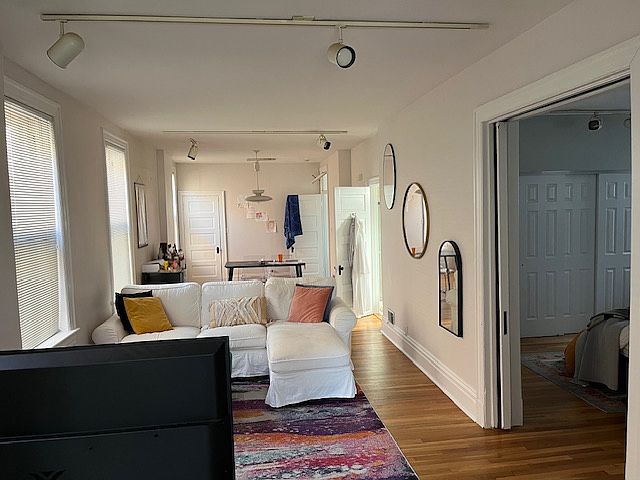 Available Oct 1
Spacious 1-bedroom in Shaw
3808 Flad Ave, St. Louis, MO 63110
- 1Bed
- 1Bath
- 1,100Sq ft
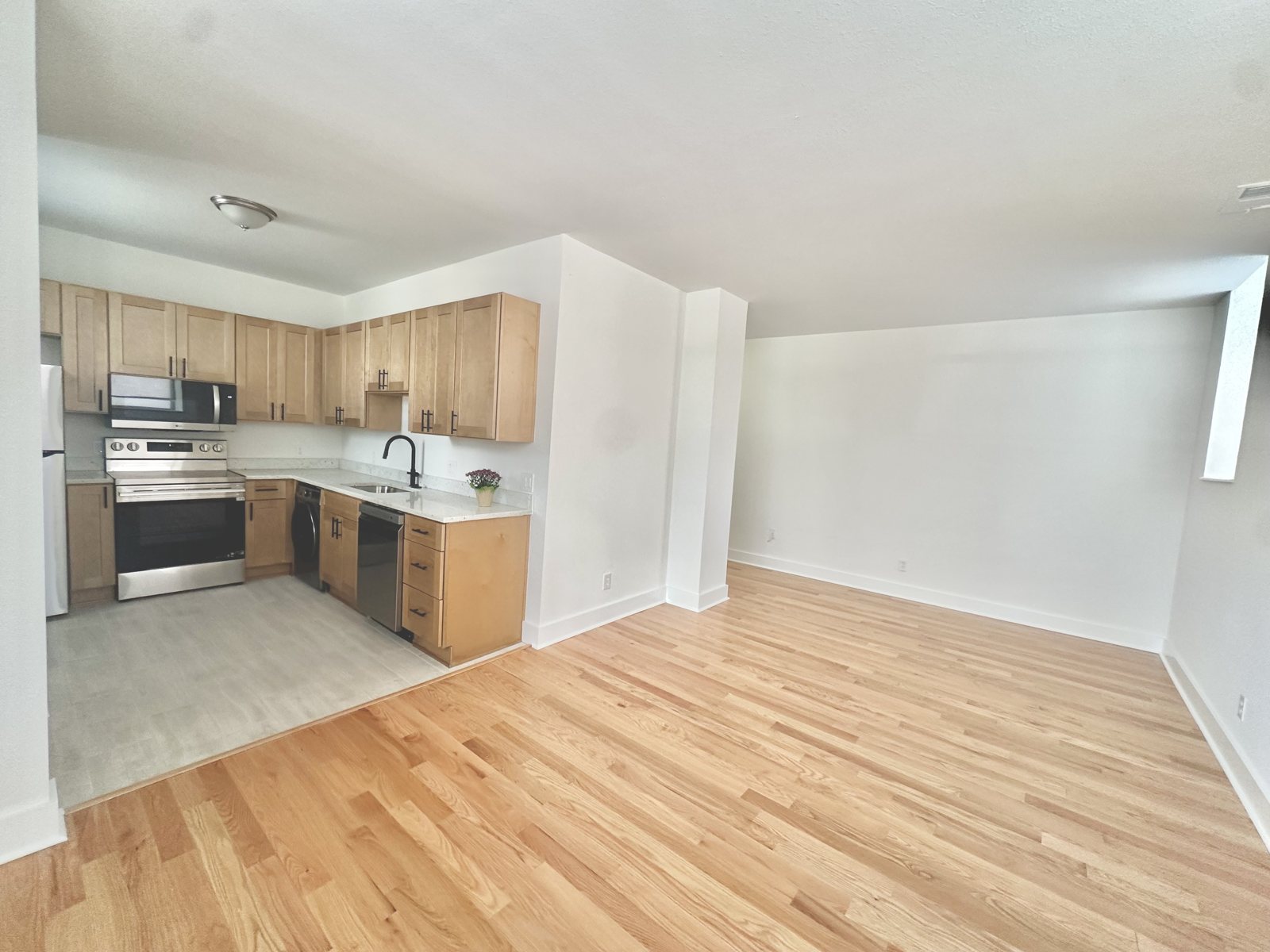 Available now
Renovated 2-bedroom in DeBaliviere Place
5630 Pershing Ave, Unit 10, St. Louis, MO 63112
- 2Bed
- 1Bath
- 875Sq ft
Moving here from out of town? See our Moving to St. Louis guide for rents, neighborhoods and jobs.